Brief info
model species

Painted Lady Butterfly
Vanessa cardui
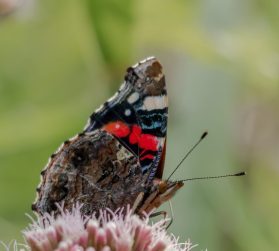
Red Admiral
Vanessa atalanta
Project PI
Collaborators
Background and Knowledge gap
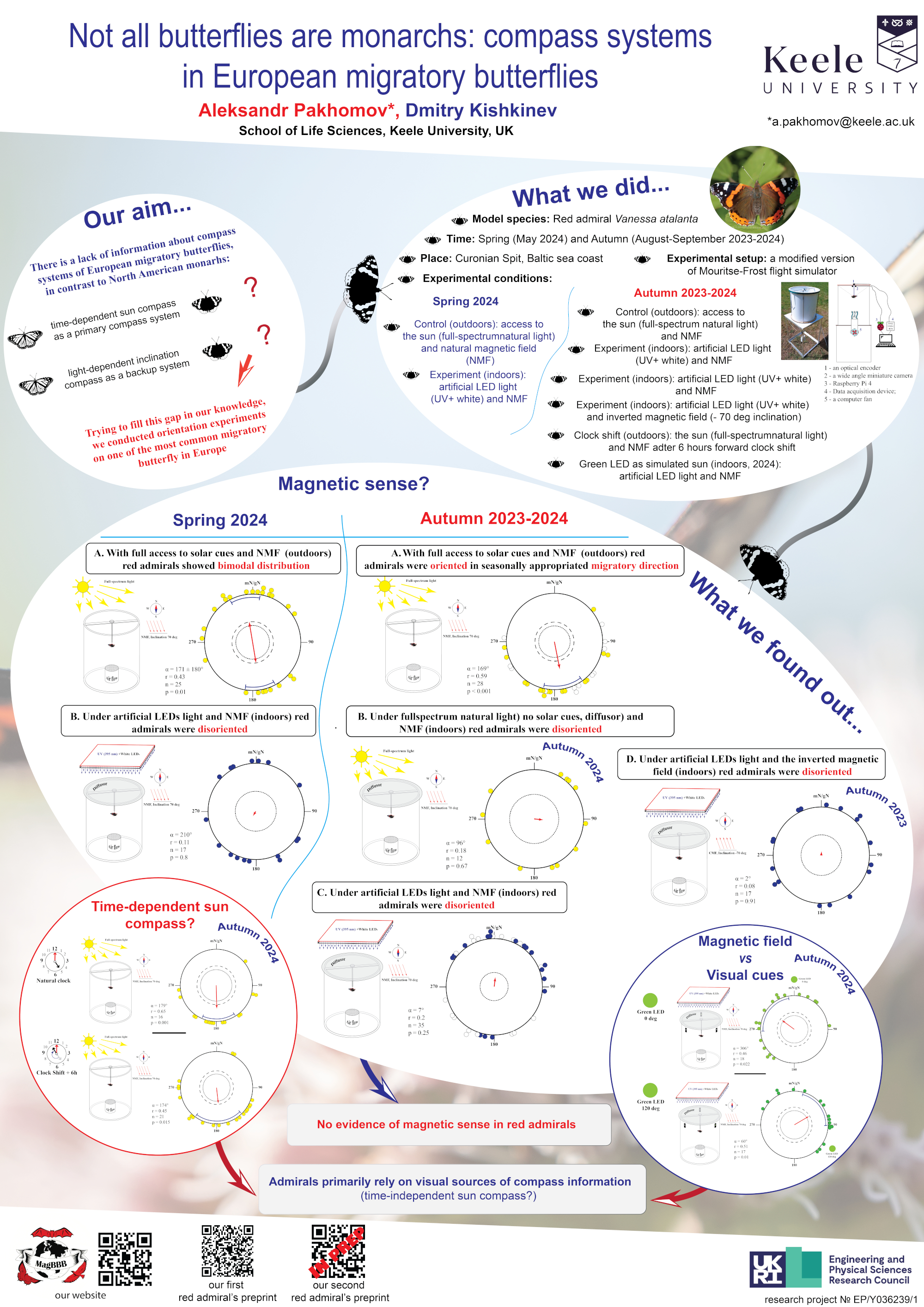
Most studies on the orientation and navigation abilities of migratory butterflies have focused on one iconic model species: monarch butterfly Danaus plexippus. These studies have explored the monarchs’ sun compass, their capacity for magnetoreception, and their potential for true navigation. Monarchs undertake an extraordinary migratory journey during autumn, traveling from their summer range in North America to their wintering grounds in central Mexico. Their overwintering behaviour is unique: vast numbers of individuals cluster at specific sites until spring. This population-wide, goal-oriented behavior is a defining trait that sets monarchs apart from other migratory butterflies, which are less constrained in site selection and overwinter across a broader geographic range, either as adults, eggs, or larvae. In contrast to the wealth of data on monarchs, there remains a significant knowledge gap concerning the orientation and navigation mechanisms of European migratory butterflies.
Our plans
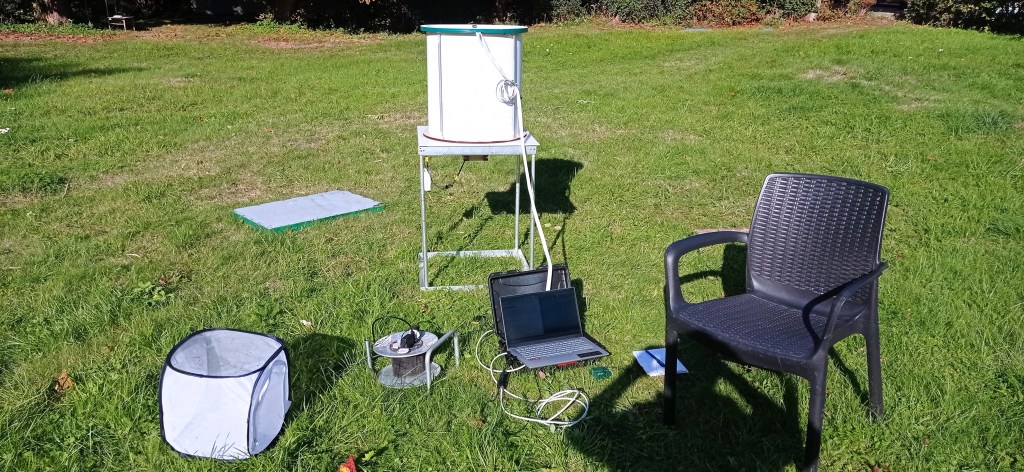
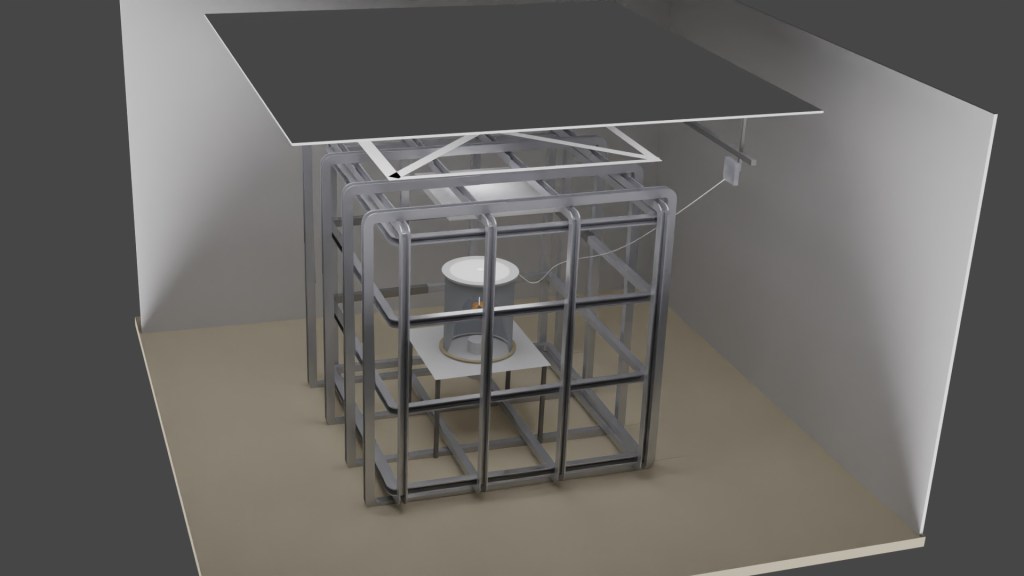
To address this, we plan to conduct experiments on European species, such as red admiral Vanessa atalanta, which are known for their annual migrations across the continent. Specifically, we will study their orientation behavior under different light and magnetic conditions, utilising a variety of behavioral setups, including a modified version of Mouritsen-Frost flight simulator and magnetic field manipulations. Furthermore, we aim to integrate advanced neural network applications to analyse behavioural responses and uncover underlying mechanisms driving their navigation.
Our discoveries
Our experimental setups


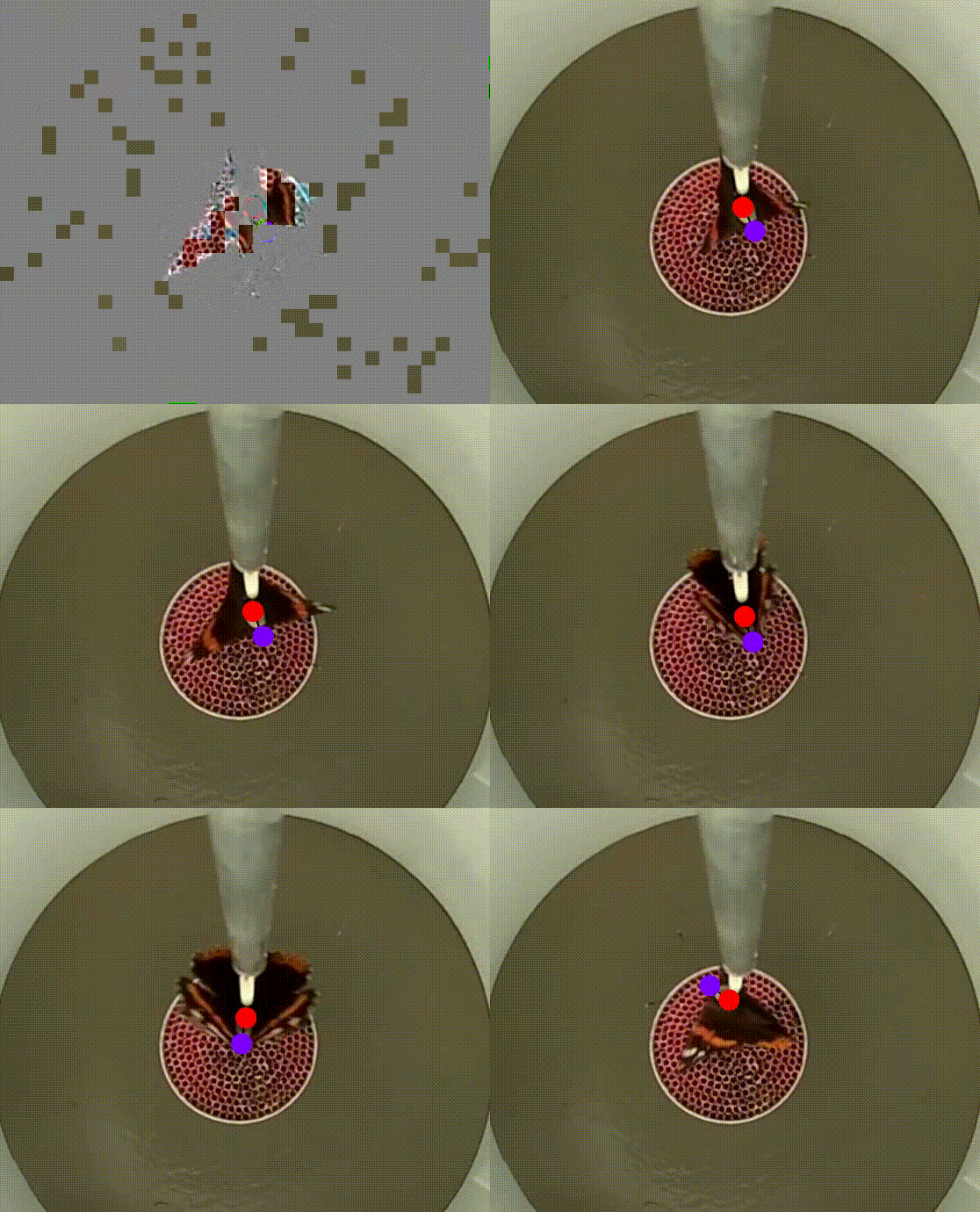
Key papers (click to expand):
- Aleksandr Pakhomov, Anatoly Shapoval, Nazar Shapoval, Dmitry Kishkinev. Not All Butterflies Are Monarchs: Compass Systems in the Red Admiral (Vanessa atalanta), a European Diurnal Migrant // bioRxiv 2025.05.01.651646. Link
- Alexander Pakhomov, Roberts Jansons, Nazar Shapoval, Fedor Cellarius, Anatoly Shapoval, Oliver Lindecke. Orientation tests and long-term movement phenology establish the red admiral Vanessa atalanta as an applicable model for navigation research in migratory butterflies // bioRxiv 2023.09.09.554419. Link
Funding:
UKRI Guarantee Scheme (Marie Skłodowska-Curie Action Postdoctoral Fellowship to Dr Alex Pakhomov), 2024-2026
Key oral talks and poster presentations:
- Poster: Not all butterflies are monarchs: Compass systems in European migratory butterflies // Biologists @ 100 Conference (100 year of the Company of Biologists)
Liverpool, UK, 24-24 March 2025/ Poster (in jpg) - Poster: Red admiral Vanessa atalanta as a new model species to study orientation and navigation in European diurnal migratory butterflies // The 11th International Conference on Animal Navigation.
Royal Holloway College, Egham, UK, 12-14 April 2023/ Poster (in pdf) - Oral talk: Orientation and navigation of bats and butterflies // 2nd Autumn school for students and young researchers “Animal navigation and orientation”.
Zvenigorod biological station MSU, Russia, 5 – 6 October 2019.
 Animal Navigation Lab