
Quick access to
A brief introduction
The Circular Release Box (CRBox), developed by Dr Oliver Lindecke and colleagues, is an experimental arena for studying take-off orientation in bats. It allows an animal to choose its departure direction freely and provides a practical assay for investigating the sensory information used during migration.
More Information here: Experienced Migratory Bats Integrate the Sun’ Position at Dusk for Navigation at Night (Current Biology) and Orientation and flight behaviour identify the Soprano pipistrelle as a migratory bat species at the Baltic Sea coast 9Journal of Zoology)
We modified this approach to combine automated release with video recording for our MagBats projects. Our setup has two configurations: a camera-equipped version used with magnetic coils, and a simpler field version used with thermal cameras to follow bats after departure.
A design of our CRBox
The enclosed version consists of a circular arena, 40 cm in diameter, beneath a cylindrical enclosure, 42 cm in diameter and 54 cm high. The arena was designed in OpenSCAD and printed in PETG plastic. Its surface is covered with synthetic leather to support crawling, while black felt lines the enclosure to reduce reflections from infrared illumination.
A small acclimatisation box holds the bat at the centre of the arena. A motorised lifting mechanism raises this box remotely, allowing the animal to move towards the edge and take off.
Version 1: automated release and video recording inside magnetic coils
This configuration combines an Arduino Uno, a stepper motor, a Raspberry Pi 4 and a miniature infrared camera. The Arduino controls the lifting mechanism, while the Raspberry Pi coordinates motor operation and video recording through a custom-written script. Researchers can observe the bat remotely and retain recordings for subsequent behavioural analysis.
In the protocol described in our preprint, acclimatisation and release were recorded as separate five-minute phases. The software started the second recording and lifted the acclimatisation box together.
The release box is positioned within three-axis Helmholtz coils, allowing comparisons between the local geomagnetic field and experimentally altered magnetic conditions.
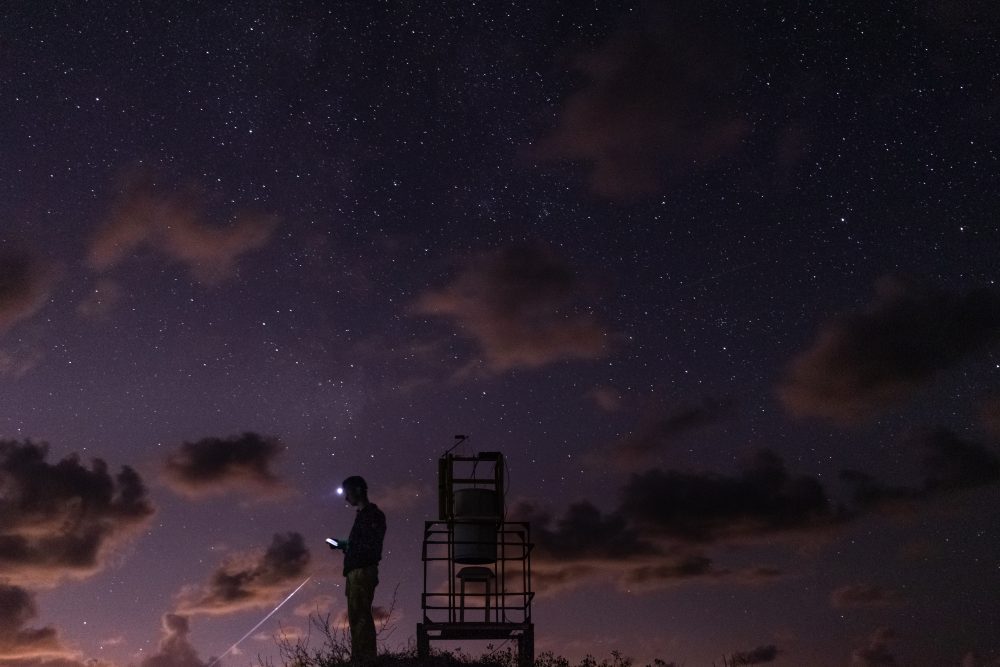
CRBox with the magnetic coils at the experimental site 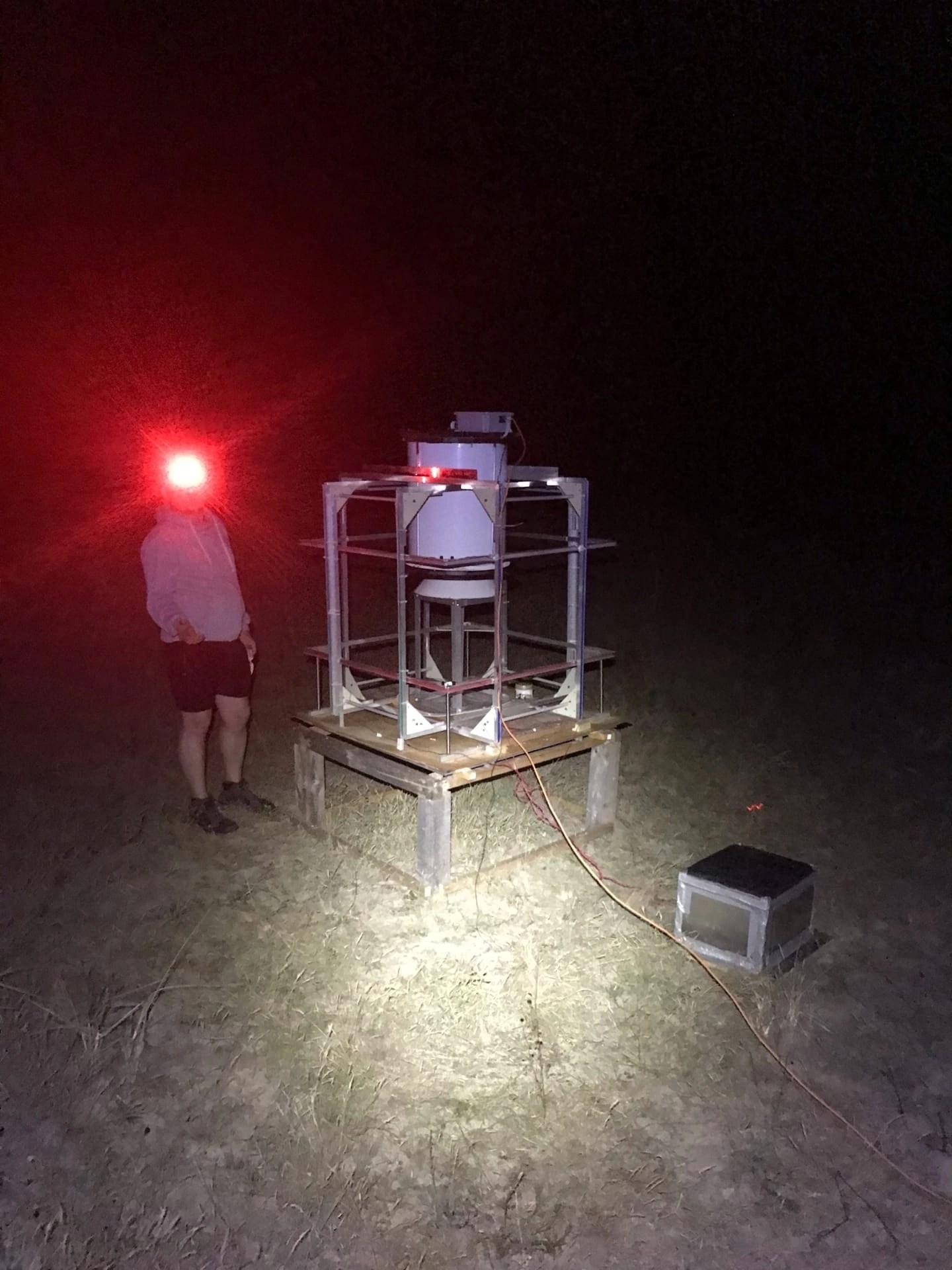
CRBox with the magnetic coils at the experimental site 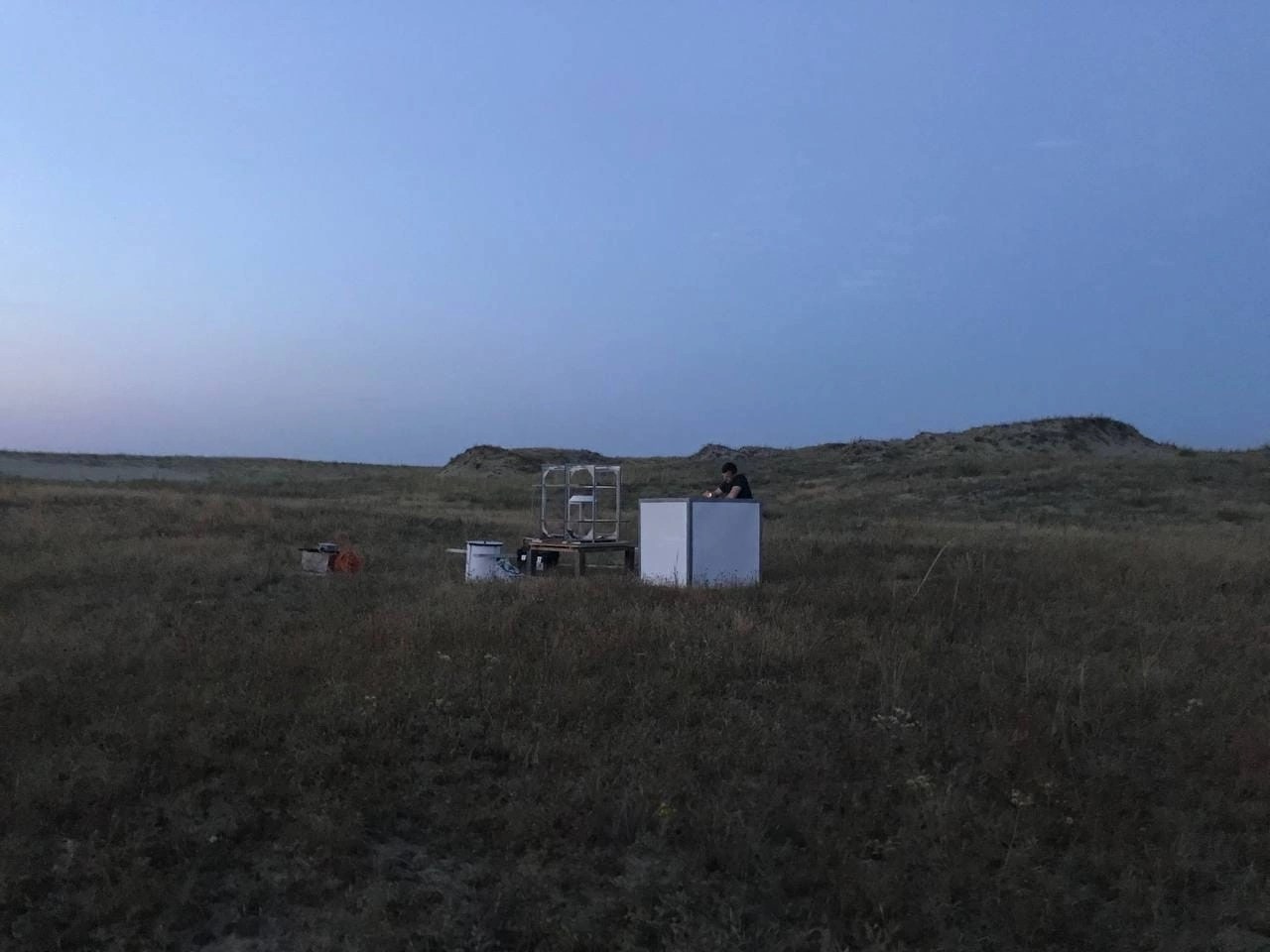
CRBox with the magnetic coils at the experimental site 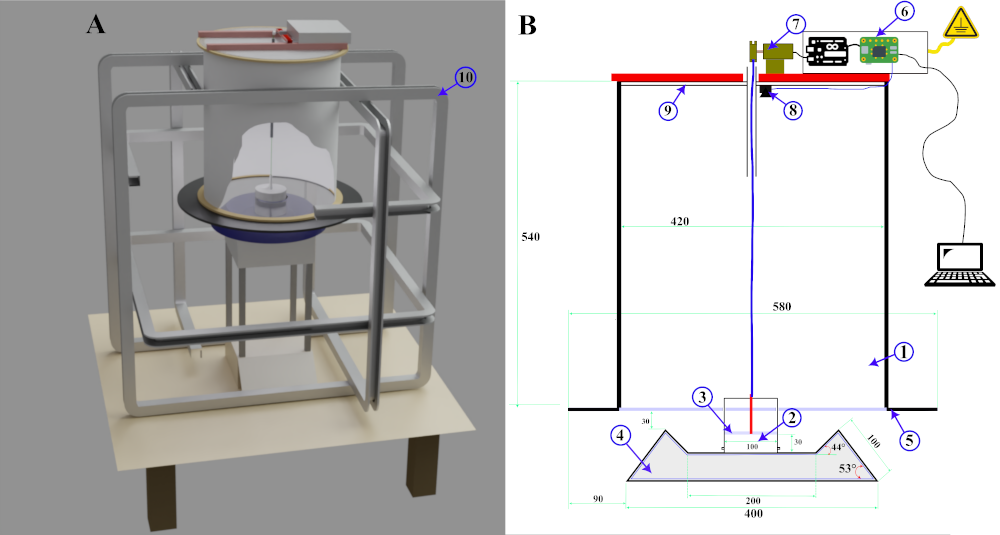
a 3d model of whole setup placed at the release site 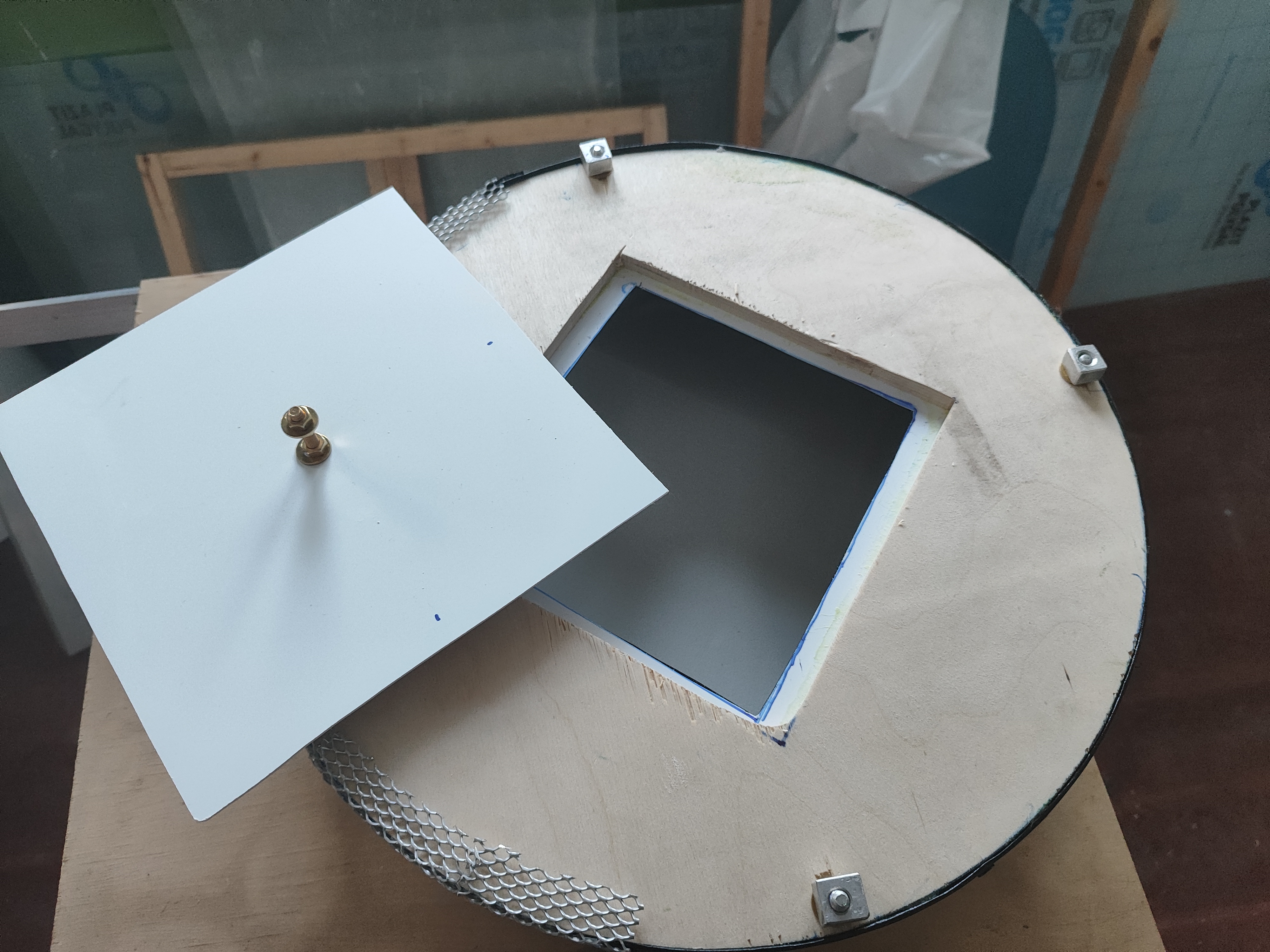
A box for cue conflict exposure 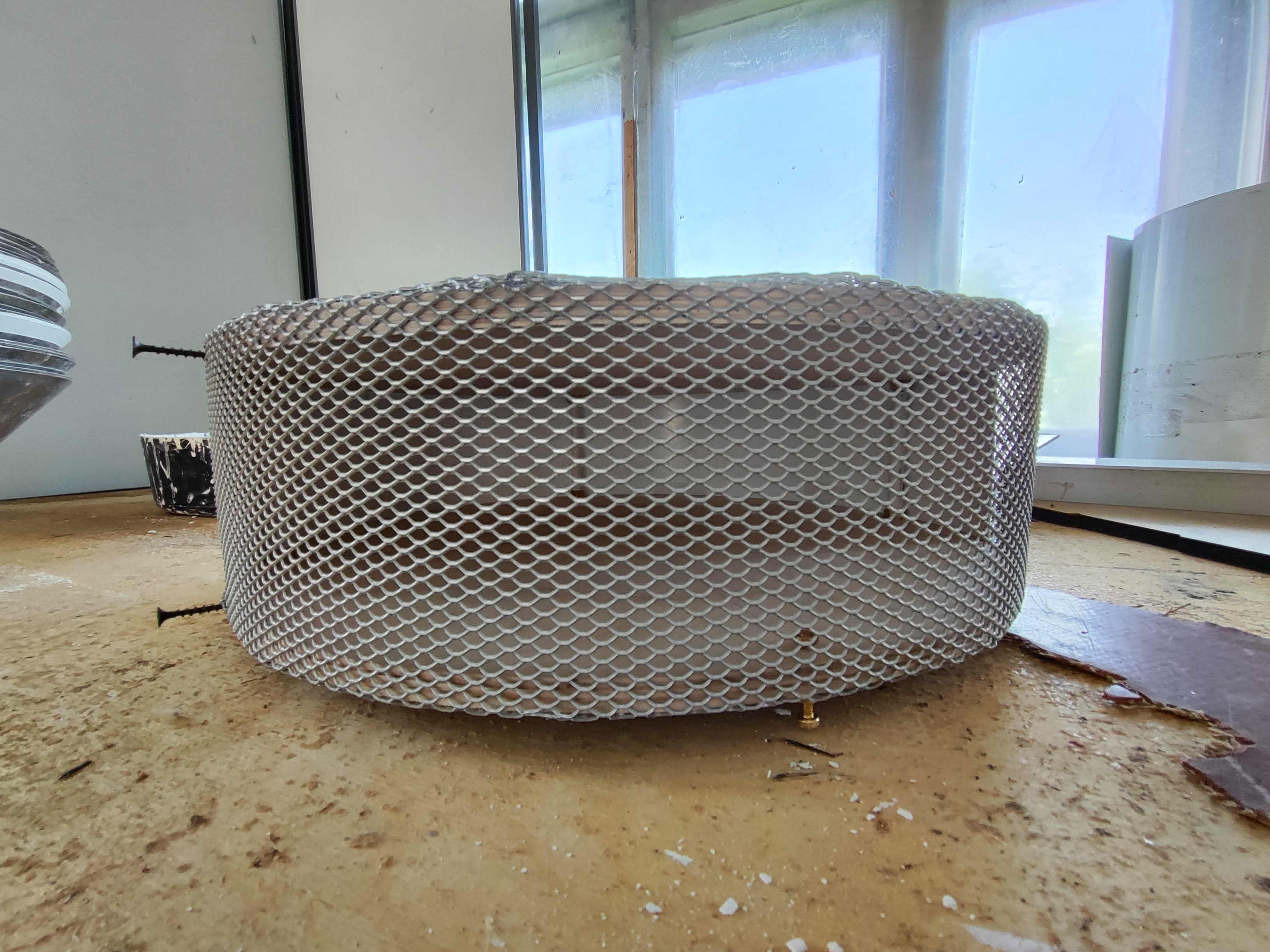
A box for cue conflict exposure 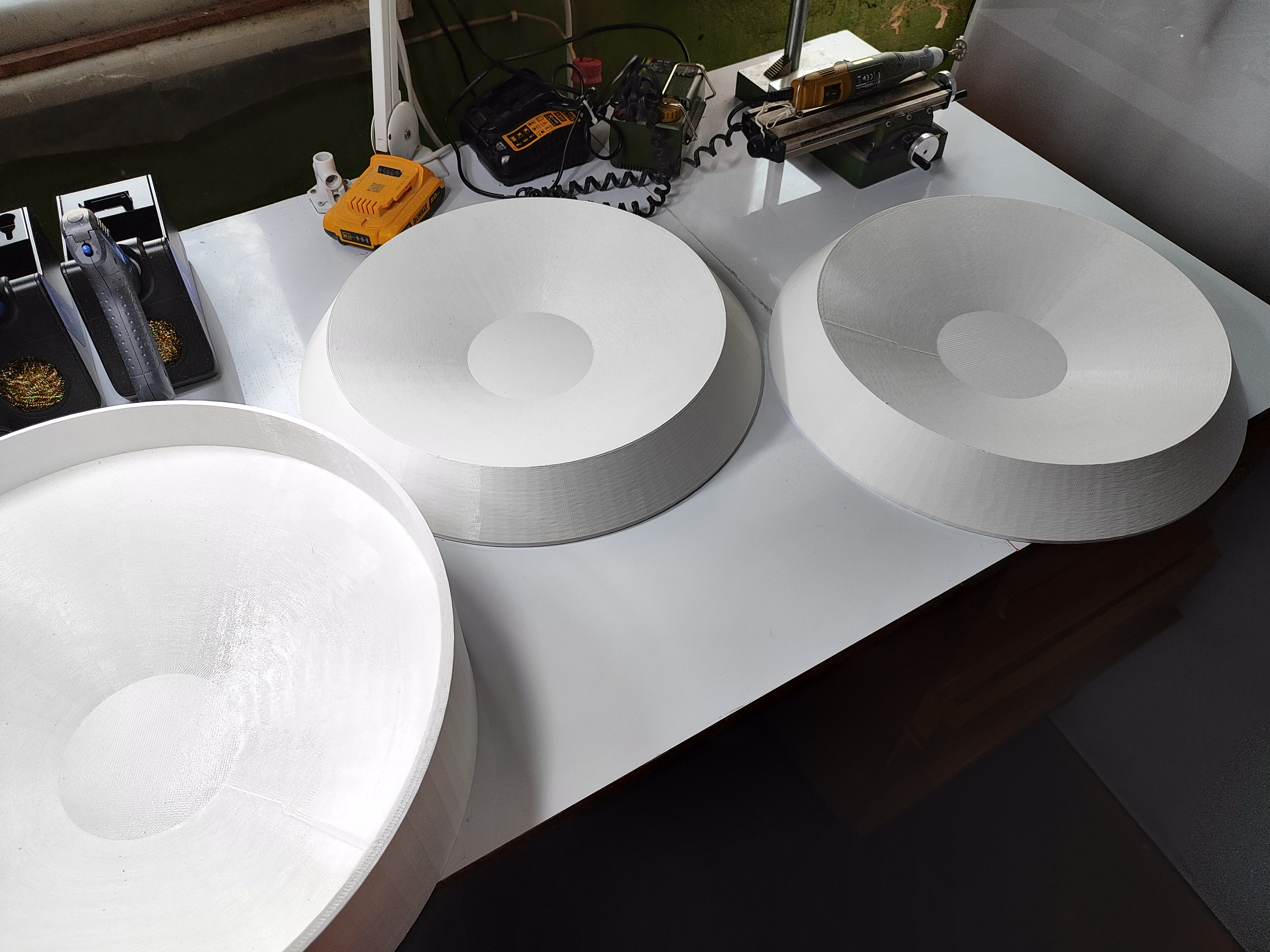
3D printed parts of CRBox 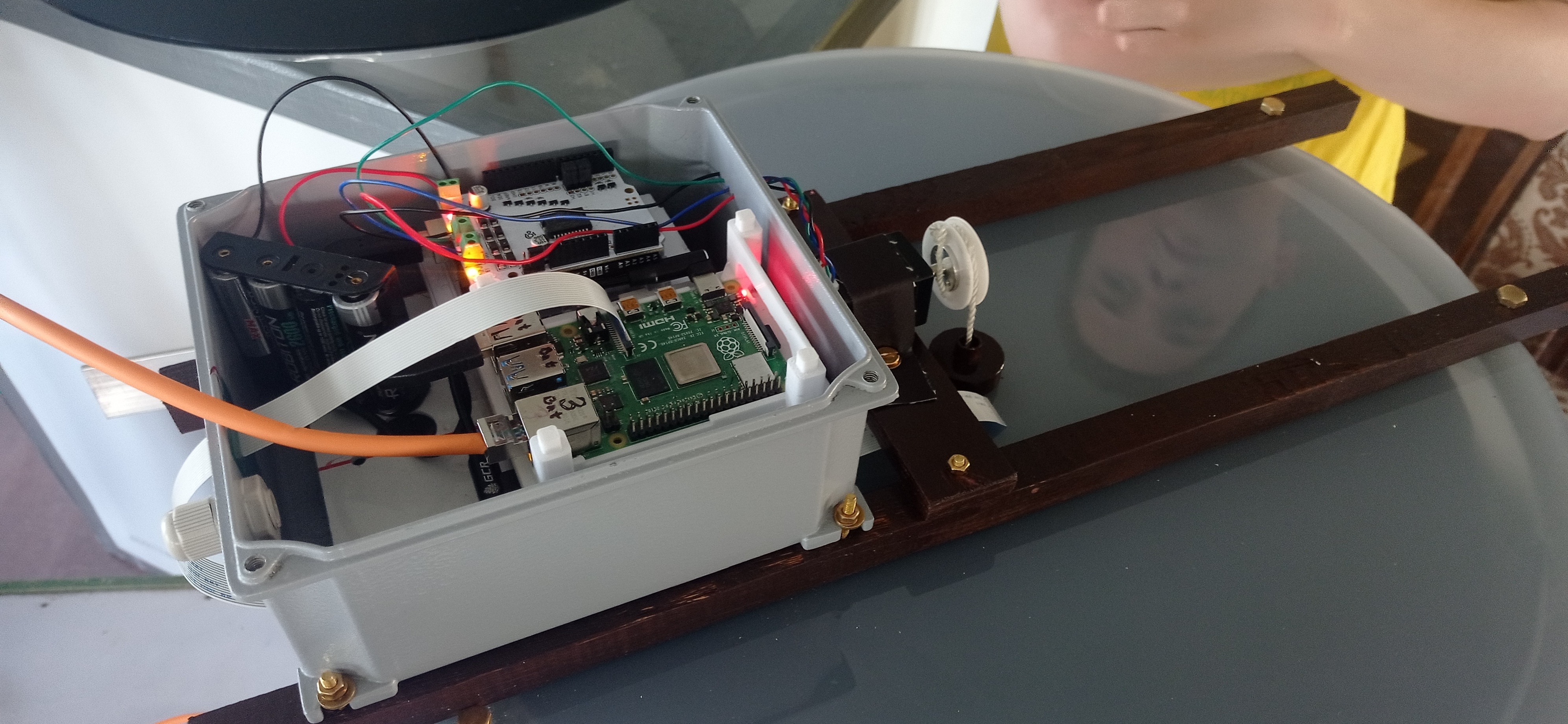
Release and Videorecording systems of CRBox 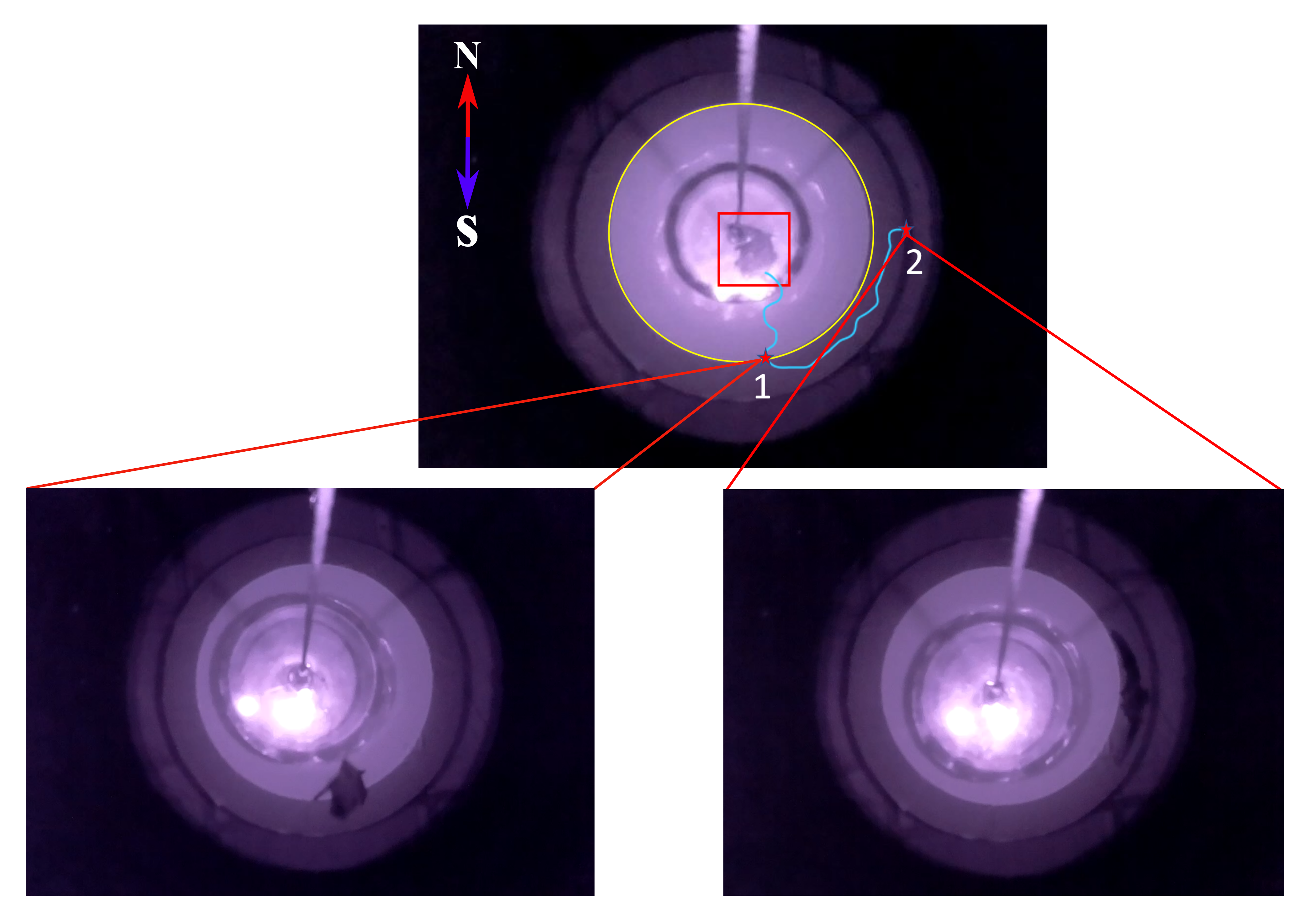
A screenshot from recorded video
Version 2: field release with thermal-camera tracking
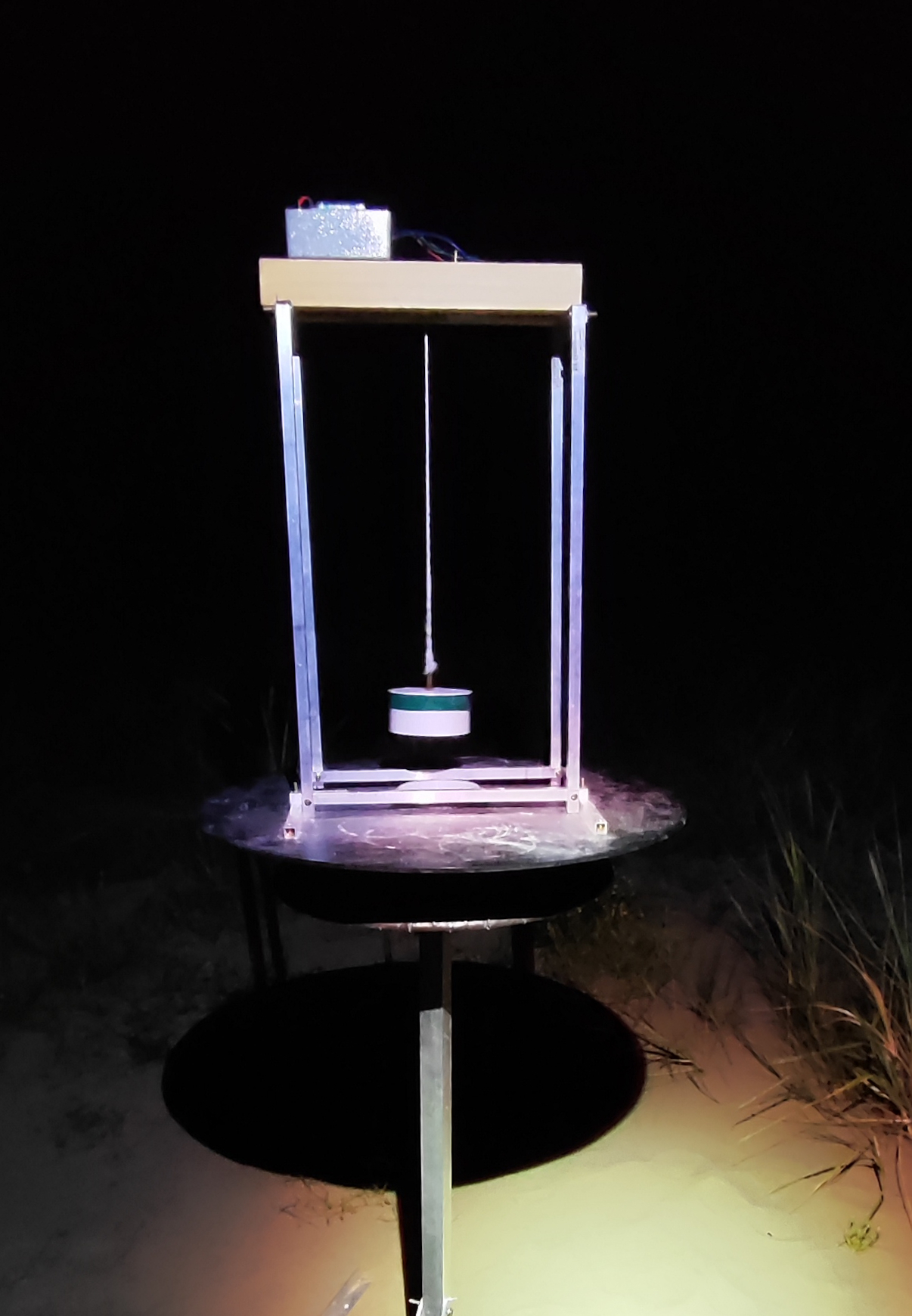
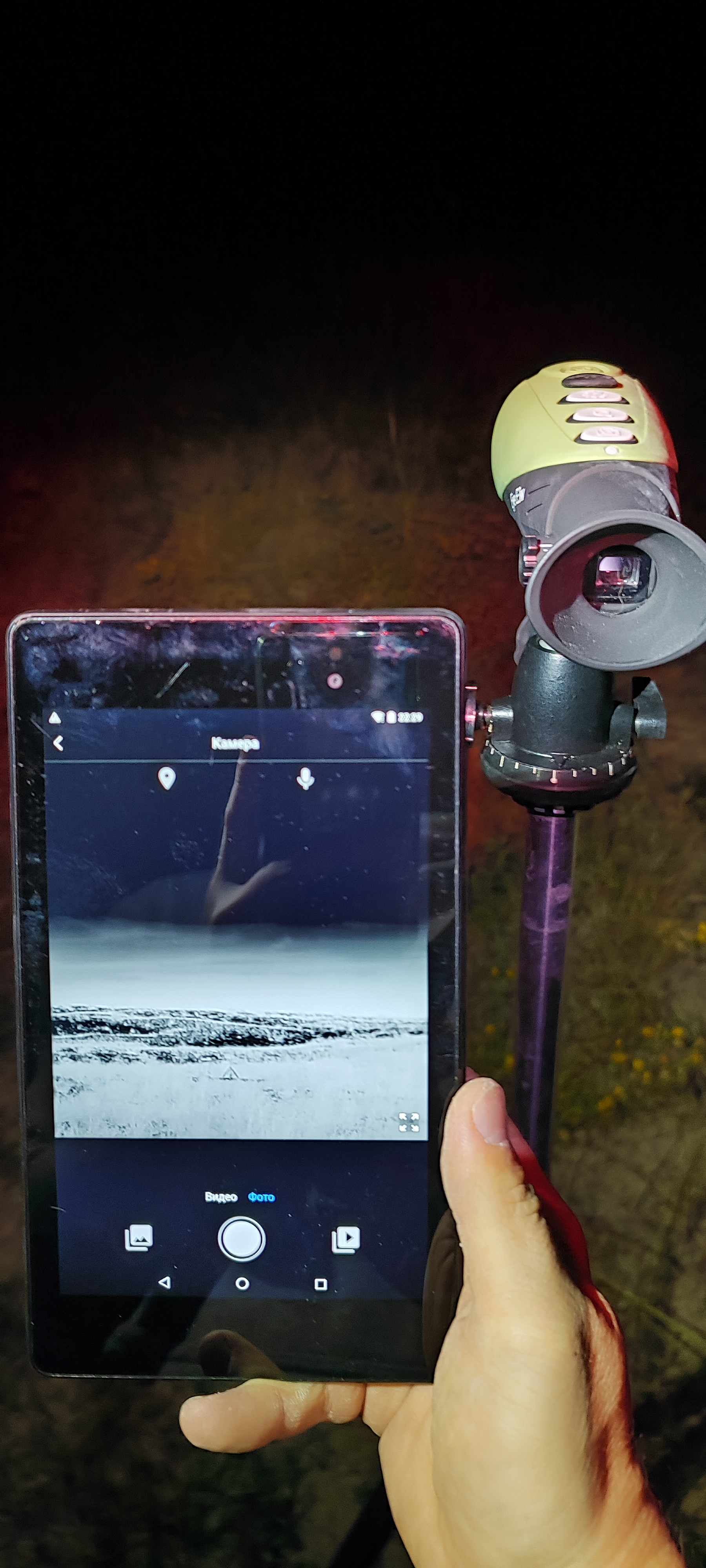
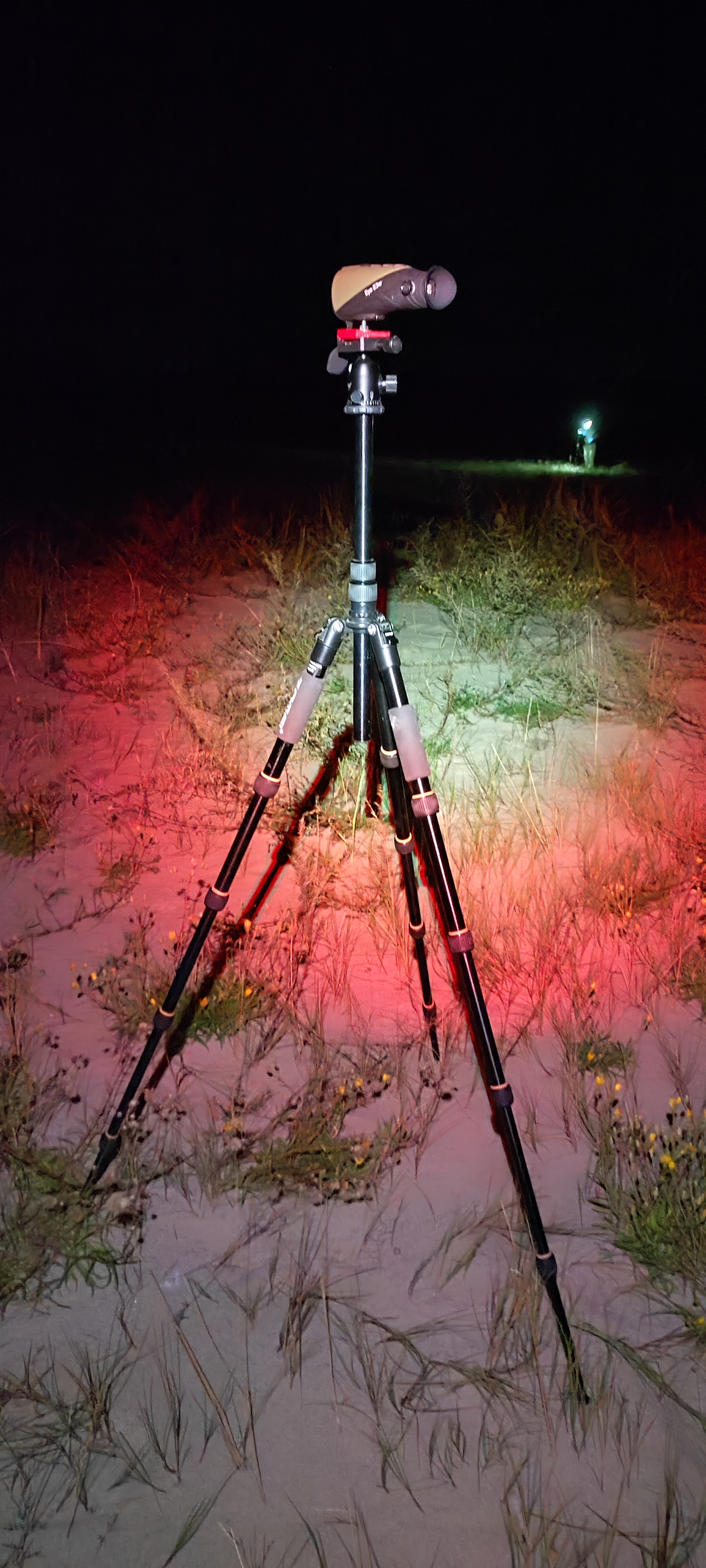
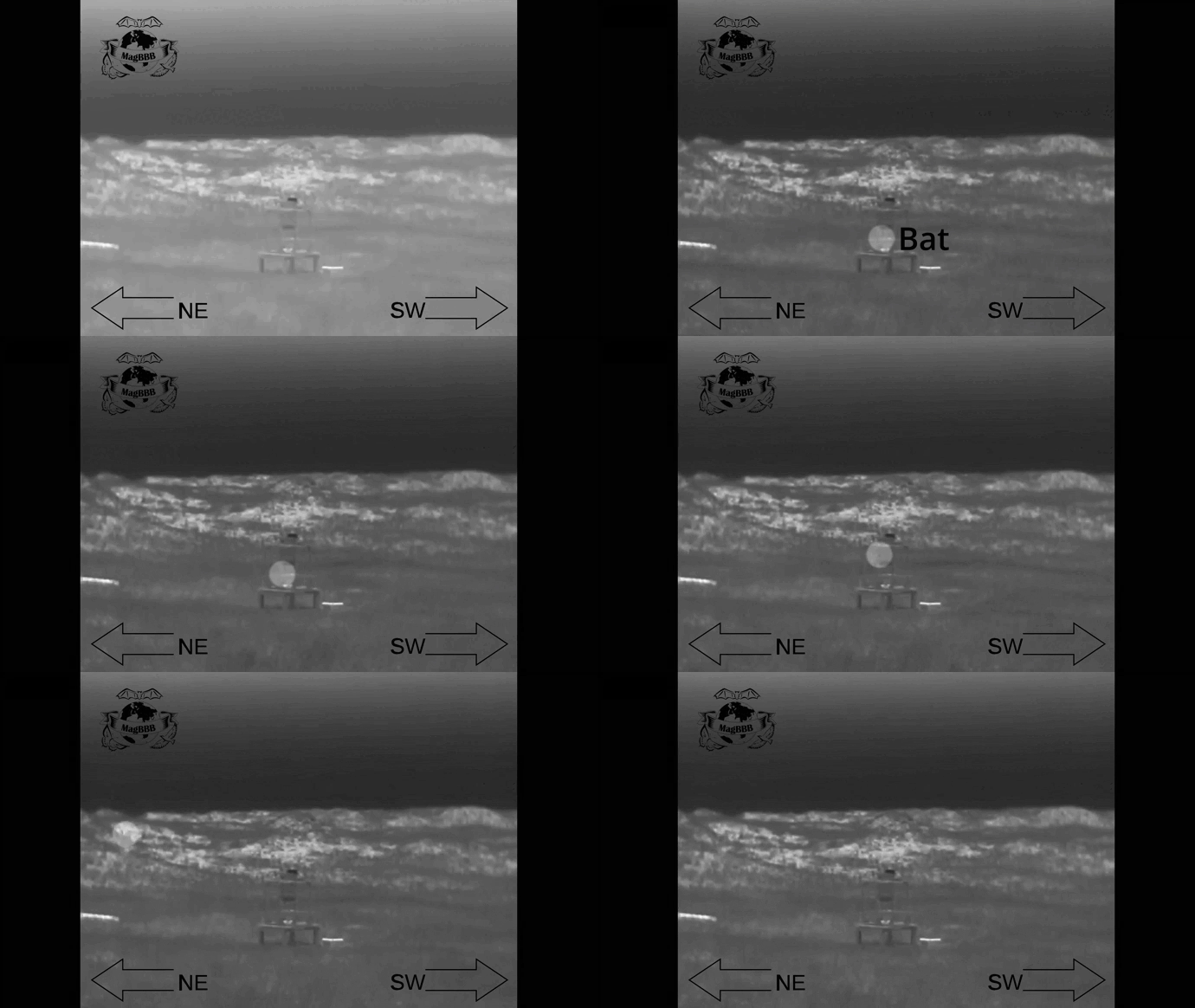
The simpler configuration retains the circular platform and Arduino-controlled motorised release mechanism, without the surrounding magnetic coils or onboard Raspberry Pi recording system. External thermal cameras record the bat as it leaves the platform and flies away from the release site.
This configuration allows us to examine departure behaviour beyond the arena, including turns and changes in flight direction after take-off. Thermal imaging detects the animal’s thermal contrast against the background and does not require visible illumination of the flight path.
In our two-camera arrangement, the release platform lies within both fields of view. One recording provides the North–South view and the other the East–West view.
Video analysis and recorded measurements
The onboard camera provides a record of behaviour during acclimatisation, movement across the arena and departure. These recordings can be used to measure release-to-take-off latency, movement paths and the direction of departure from the platform.
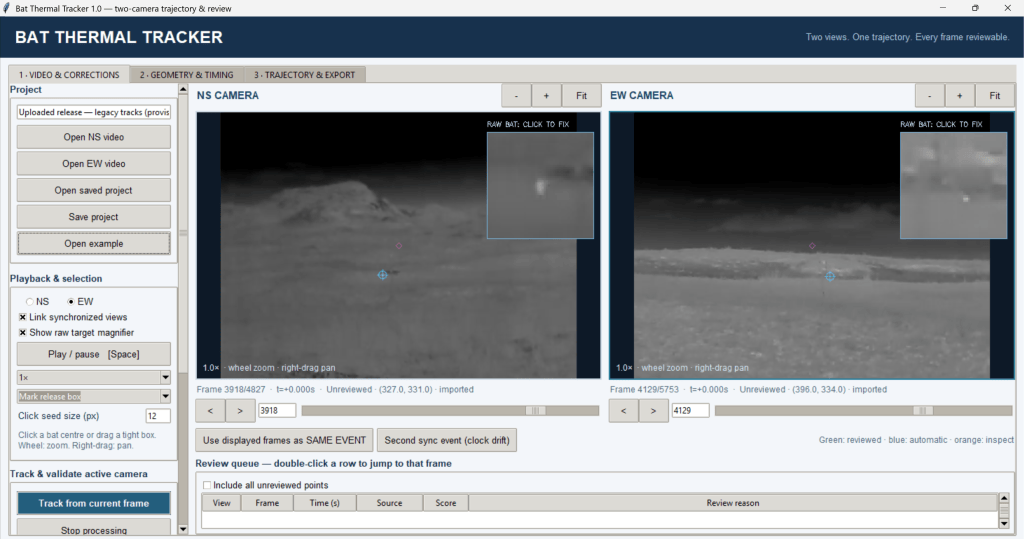
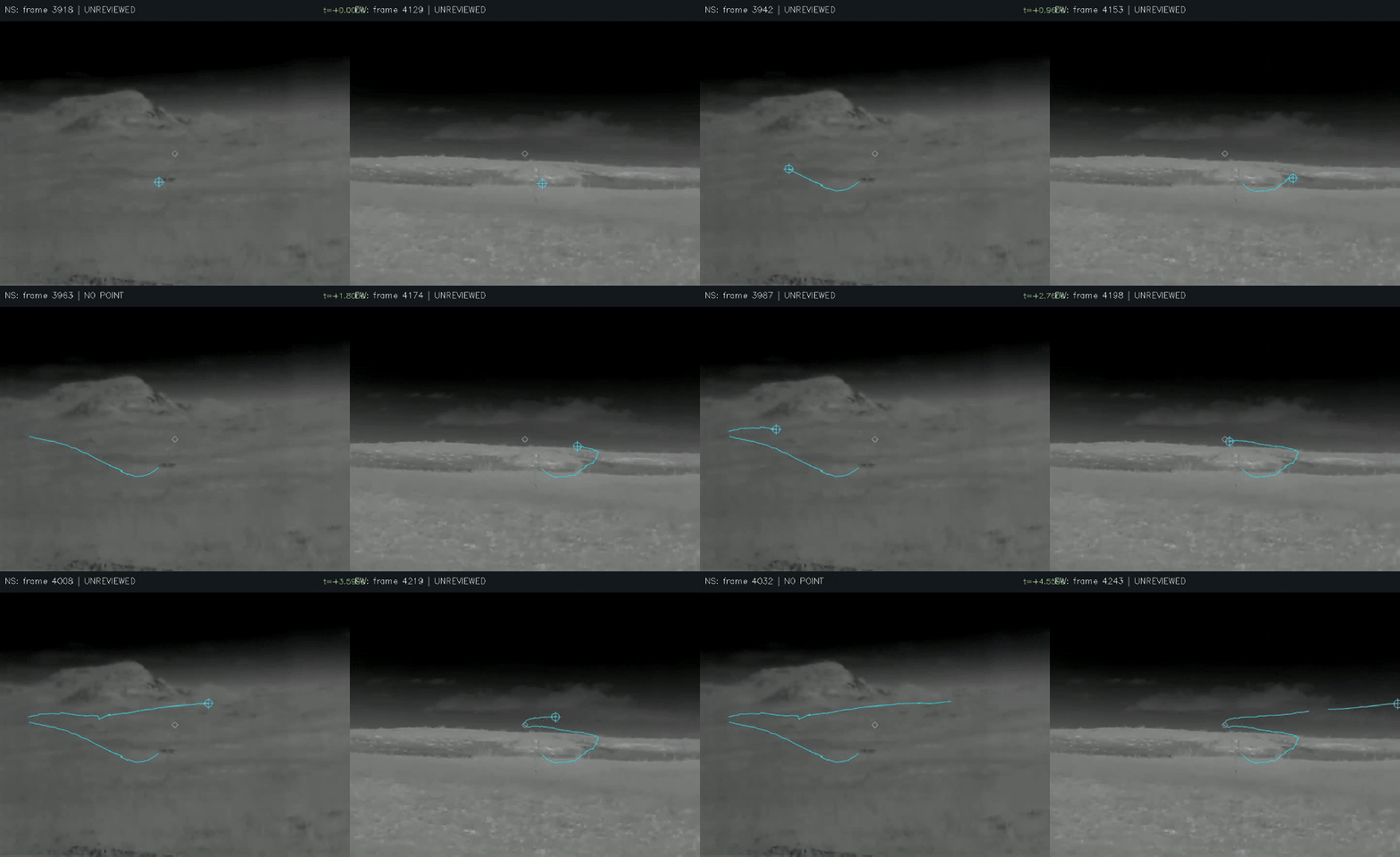
For the thermal recordings, the Bat Thermal Tracker supports frame-by-frame inspection, automated tracking and manual correction of the bat’s position. After synchronising the recordings and establishing camera geometry, the paired observations can be used to reconstruct the flight trajectory.
The analysis provides:
- The bat’s image position in each camera.
- Its reconstructed horizontal path, or a 3D trajectory when the required calibration is available.
- The bearing from the release site to the last position observed in both cameras.
- The final movement heading and, where observed, the bearing at a selected distance from release.
- Annotated videos, trajectory figures and exported data for further analysis.
The bearing to the final observed position and the bat’s final movement heading describe different aspects of departure and should be reported separately.
Related research
Cellarius, F., Utvenko, G., Markovets, M. and Pakhomov, A. (2023). Birds are easier to trick: an effect of magnetic field manipulation on migratory orientation of Nathusius’ pipistrelle in the circular release box. bioRxiv preprint. Read the preprint.

