MagLepidoptera: compass systems in European migratory
magnetic compass, sun compass, stellar compass, hierarchy of compass systems
Lepidoptera
MagButterflies
This projects is funded by UKRI Guarantee Scheme (Marie Skłodowska-Curie Action Postdoctoral Fellowship to A. Pakhomov)
-
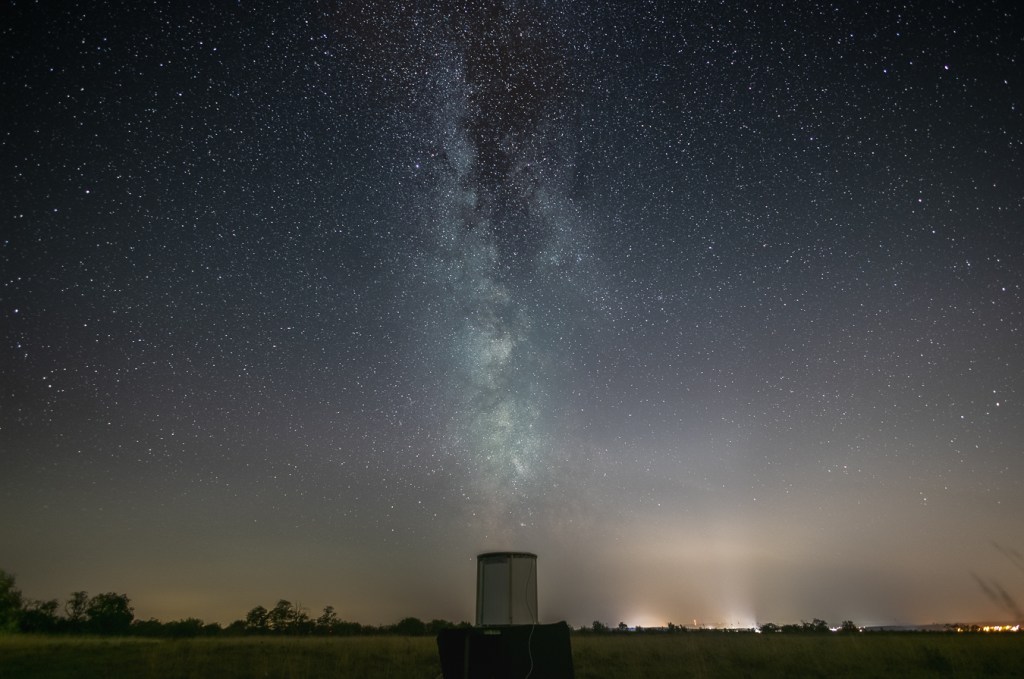
🚀 Our new results on European moth orientation and navigation are now available on the bioRxiv preprint server!https://www.biorxiv.org/content/10.64898/2026.03.04.709557v1 🦋🌙 Why study moth migration? Moths are more than night-time fliers. They are important pollinators, key food sources for other animals, and they help move energy and nutrients across ecosystems. Understanding how they migrate helps us better…
-
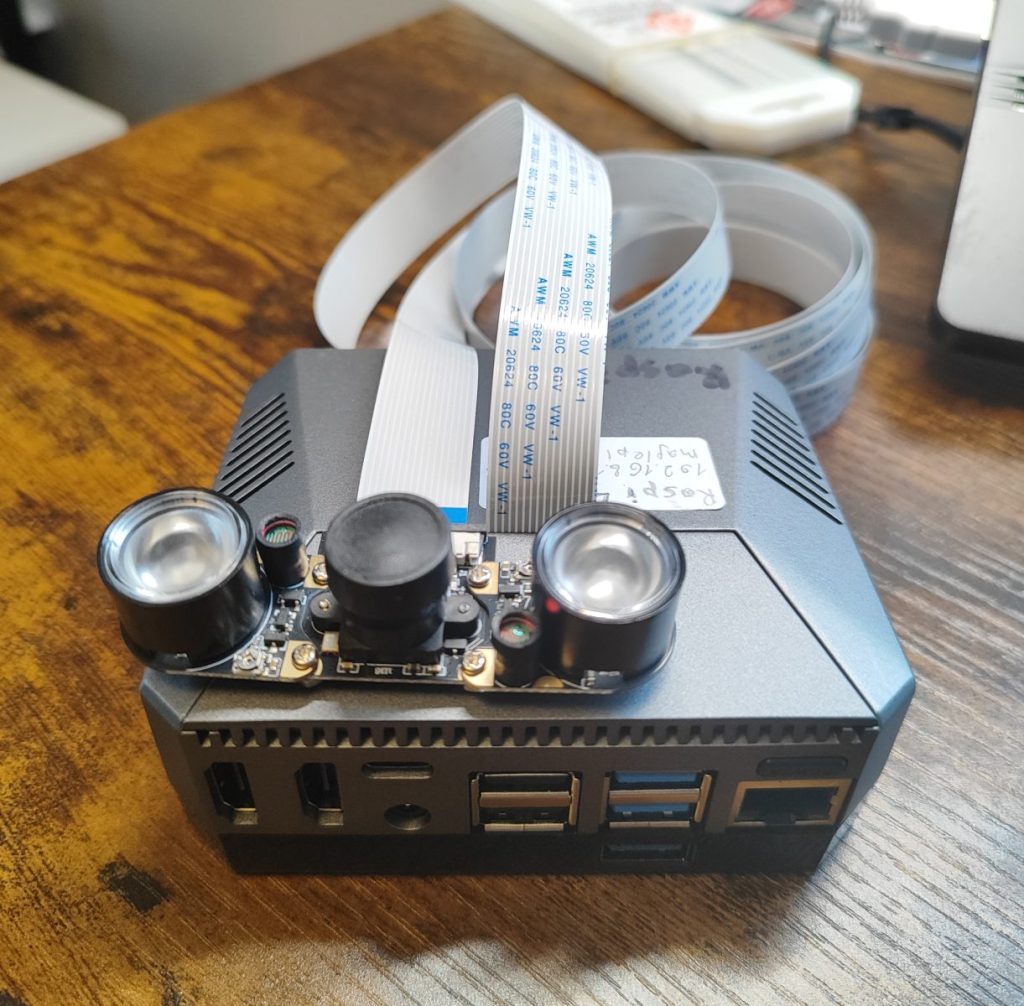
A practical guide to building your own low-cost video recording sysetm based on Raspberry pi for various behavioural studies:
-
🦋 We’re excited to share our latest Insight in eLife:👉 https://elifesciences.org/articles/110796 This Insight paper discusses the Research Article, “Geomagnetic and visual cues guide seasonal migratory orientation in the nocturnal fall armyworm, the world’s most invasive insect” by Ma et al., also published in eLife.🔗 https://doi.org/10.7554/eLife.109098.2 In this work, the authors reveal how geomagnetic and visual…
MagMoths
This projects is funded by UKRI Guarantee Scheme (Marie Skłodowska-Curie Action Postdoctoral Fellowship to A. Pakhomov)
-
🚀 Our new results on European moth orientation and navigation are now available on the bioRxiv preprint server!https://www.biorxiv.org/content/10.64898/2026.03.04.709557v1 🦋🌙 Why study moth migration? Moths are more than night-time fliers. They are important pollinators, key food sources for other animals, and they help move energy and nutrients across ecosystems. Understanding how they migrate helps us better…
-
A practical guide to building your own low-cost video recording sysetm based on Raspberry pi for various behavioural studies:
-
🦋 We’re excited to share our latest Insight in eLife:👉 https://elifesciences.org/articles/110796 This Insight paper discusses the Research Article, “Geomagnetic and visual cues guide seasonal migratory orientation in the nocturnal fall armyworm, the world’s most invasive insect” by Ma et al., also published in eLife.🔗 https://doi.org/10.7554/eLife.109098.2 In this work, the authors reveal how geomagnetic and visual…
 Animal Navigation Lab