
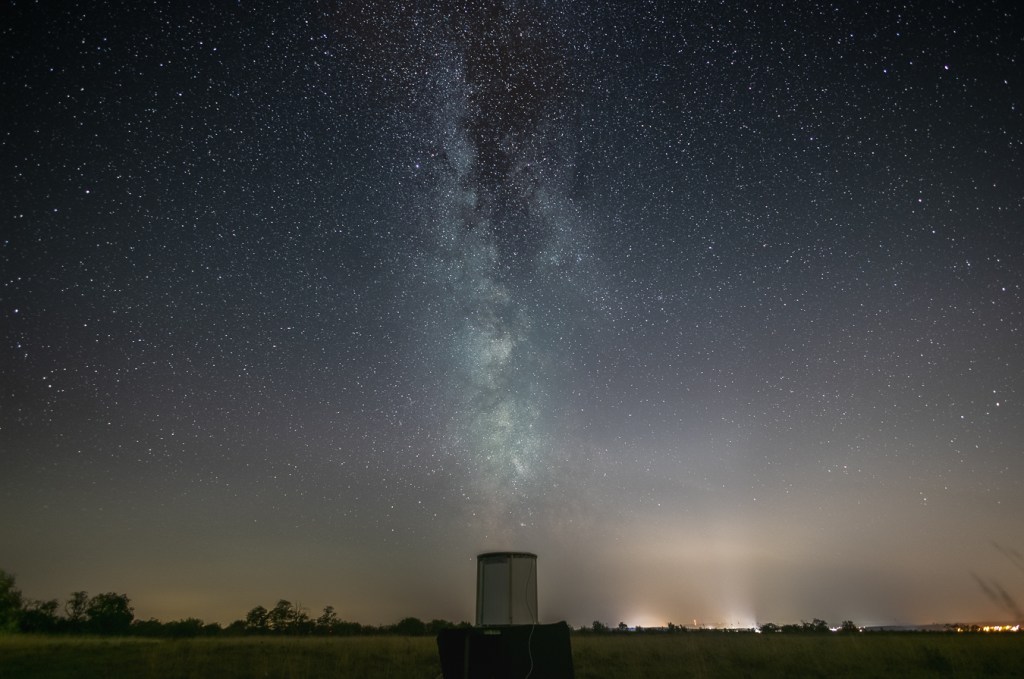
🚀 Our new results on European moth orientation and navigation are now available on the bioRxiv preprint server!
https://www.biorxiv.org/content/10.64898/2026.03.04.709557v1
🦋🌙 Why study moth migration?
Moths are more than night-time fliers. They are important pollinators, key food sources for other animals, and they help move energy and nutrients across ecosystems. Understanding how they migrate helps us better protect them.
🌌 How do moths navigate at night?
Our study on the Red Underwing moths (Catocala nupta) explores how these insects find their way during long-distance migrations at night.
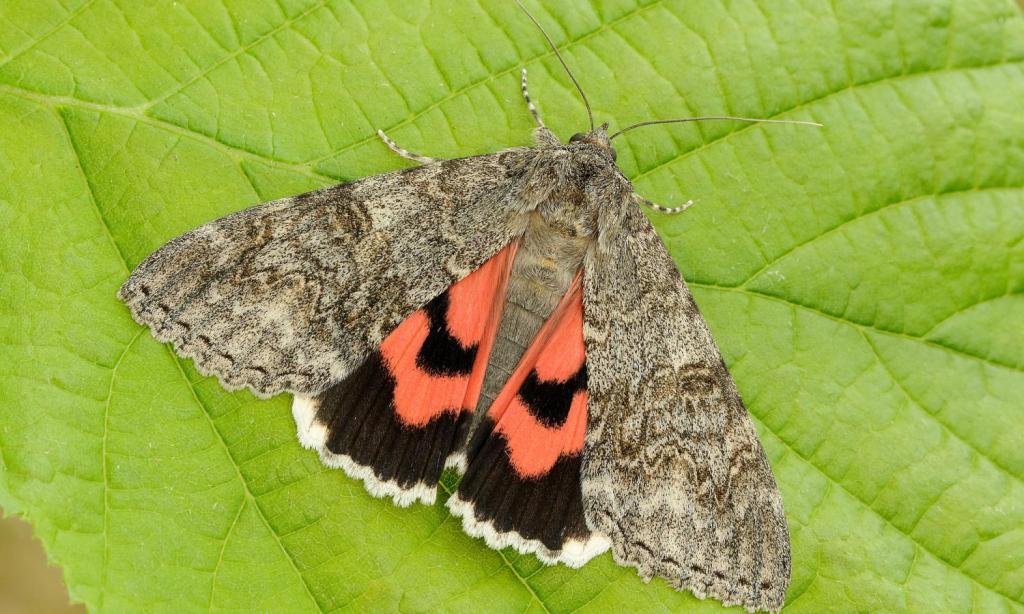
Red Underwing (Catocala nupta)
🧪 What we tested
We examined whether these moths can:
• Use Earth’s magnetic field for navigation (magnetic map). This is the first time virtual magnetic displacement experiments have been conducted on migratory moths.
• Stay oriented when the sky is overcast (magnetic compass)
• Use stars to determine a population-specific migratory direction in the absence of magnetic cues (star compass)
✨ What we found
• No magnetic map – Moths did not compensate for virtual magnetic displacements from Austria to Egypt.
• Strong orientation under clear skies – Moths remained well oriented when they could see the night sky, both with and without magnetic directional cues. This indicates they possess a star compass to determine their migratory direction.
• No magnetic compass in darkness – When visual cues (landmarks and celestial cues) were removed, the moths showed no magnetic orientation.
 magbbb.com
Leave a comment